
Eliminating processed carbohydrate foods from the diet may help reduce this risk. Sleep may be among the most important factors for hormonal balance. Levels of some hormones may rise and fall throughout the day in response to factors such as sleep quality.
Dr. Albers notes that the cycle syncing program hasn’t been researched in a clinical setting. That said, there’s a lot of research supporting differences in mood and activity levels during each phase of the menstrual cycle. During your menstrual cycle, hormone changes can cause swings in your mood, energy, appetite, creativity and social engagement.
That innocent scrolling session before bed is more disruptive than you might think. Blue light from screens interferes with melatonin production, which not only affects sleep quality but can cascade into other hormonal imbalances. Pay attention to signs of overtraining, such as persistent fatigue, decreased performance, and mood changes. Consult with a naturopathic doctor who can assess your hormonal health and design personalized exercise plans. Especially when your efforts to diet and exercise don’t show up on the scale. If you feel like the pounds aren’t coming off no matter how strict your fitness plan, the underlying issue could be a hormonal imbalance.
Best Exercises During Menopause
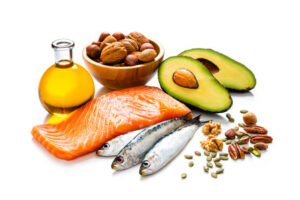
However, a person should speak with a doctor before taking any supplements or trying complementary therapies. The high levels of fats in some fish can contribute to heart and digestive health and may also benefit the brain and central nervous system. Many people that have been “diagnosed” with hypothyroid have a functioning thyroid, but their T3 level are low due to other factors3.
Foods that help balance hormones
However, the link is unclear, and the researchers call for further studies. Fiber may play a crucial role in gut health and help regulate hormones, such as insulin. Healthy fats may help maintain a https://megagrass.com/community/question-and-answer/forums/4133-general-questions/topics/2805151-mad-muscles-for-fat-loss-anyone-tried-it balance of hormones that are involved in appetite, metabolism, and fullness.
Your body sends signals when hormonal balance is disrupted—irregular cycles, mood changes, energy fluctuations, sleep disturbances, and skin issues are all common indicators. By recognizing these signals and addressing the root causes, you can support your body’s natural hormonal rhythms. Exercise intensity, especially in terms of cardiovascular exercise, has a profound effect on the thyroid hormones5.
What are the benefits of cycle syncing?
Key hormones include insulin, cortisol, estrogen, testosterone, and thyroid hormones. Maintaining hormonal balance is vital, as even slight imbalances can lead to a range of health issues, from mood swings to chronic diseases. As women approach menopause in their 40s, big changes begin to happen hormonally. Levels of the testosterone and progesterone hormones begin to dip, which impacts the body’s metabolic rate, as well as the ability to build muscle.
A study on exercise intensity and thyroid hormone levels found that at anaerobic threshold (~70% of MHR) all thyroid hormones were improved from baseline. High intensity exercise done when cortisol levels are elevated above healthy ranges can add more stress to an already stressed system. If you think your client may be in a state of chronically, or acutely, elevate cortisol, reducing the intensity of the training will not further increase cortisol.
- Additionally, a 2022 review suggests that fiber’s role in promoting satiety and reducing appetite may also impact hormone balance.
- Limiting alcohol and caffeine consumption can also help support hormonal balance.
- Prioritize post-workout recovery, as sleep and rest days aid hormone restoration.
- Begin by identifying which of these factors might be affecting your hormonal health, and take one step toward balance today.
- Hormone imbalances can cause your metabolism to slow down and your body to retain more fat and water.
- However, the initial hormone produced by the thyroid, thyroxine4 (T4), is metabolically inactive.
Building your hormone balancing diet
Remember to start slowly and gradually increase the intensity and duration of your workouts as your fitness level improves. It’s also important to listen to your body and make adjustments as needed to accommodate hormonal fluctuations or other physical changes that may happen during this stage of life. Strength training is more than a workout — it’s a wellness solution.
Why Hormonal Testing Matters for Exercise Choices
You can find stress management techniques that will lead to quicker metabolism in this blog post. Exercise is a critical piece of the puzzle in managing the menopause journey, but other resources are also available. For instance, hormone replacement and nutritional choices can help reap the most benefits from exercise for menopause. Alessandra Stasnopolis MS, RDN, LDN, is a registered dietitian and benefits consultant in the Baylor Scott & White Health wellness department.
Why You Might Gain Weight Around Your Period
Hormonal health is a cornerstone of overall well-being, influencing various bodily functions such as metabolism, immune response, and reproductive health. The relationship between exercise and hormonal balance is intricate and multifaceted. In this blog, we delve into the science behind how exercise can influence hormones and explore the delicate balance required to optimize hormonal health.
What are B1 deficiency symptoms? 9 signs you might need more thiamine
Limiting added sugar in the diet may help manage levels of certain hormones, including insulin. Avoiding artificial lights may help regulate hormone levels and restore a natural circadian rhythm. Regularly getting a full, undisturbed night’s rest may help the body regulate hormone levels.
Bioidentical Hormone Replacement Therapy (BHRT)
Melatonin can be impacted by caffeine intake, light exposure, jet leg, alcohol consumption, age and health conditions. When melatonin is disrupted, it can lead to trouble falling asleep, staying asleep or feeling rested during the day. A consistent menopause exercise plan can make a significant difference.
Sagittal, Frontal and Transverse Body Planes: Exercises & Movements
These are often available at medical wellness centers or med spas that focus on hormone balance, recovery, and preventive care. When these systems work in harmony, the body performs efficiently. When they don’t—because of chronic stress, lack of recovery, or life-stage changes like menopause—energy, mood, and physical performance can all take a hit. Hormones such as testosterone, estrogen, cortisol, insulin, and growth hormone act as biological regulators. They influence how efficiently we burn fat, build muscle, recover after exercise, and adapt to stress.
Menopause is a transformative phase of a woman’s life, signaling the end of one chapter and the beginning of another. Amidst the hormonal fluctuations that come with this transition, learning how to exercise for menopause becomes not just a choice but a crucial element in navigating through this period with grace and vitality. Training regularly at Loyalty Fitness helps you build strength and stress resilience — both physically and hormonally. Melatonin is a hormone your body makes to help regulate your sleep-wake cycle. It’s often called the “sleep hormone” because it rises in the evening to help you feel sleepy and lowers in the morning to help you wake up.