
Understanding the psychology behind gambling What drives your bets
The Thrill of the Game
The excitement associated with gambling is a powerful motivator for many individuals. This thrill arises from the anticipation of winning, combined with the inherent risk involved in placing bets. The uncertainty of the outcome creates a rush of adrenaline that can be both exhilarating and addictive. For some, this emotional high is what draws them back to the table or the slot machine, often leading them to place higher stakes than they initially intended. In Canada, many enthusiasts seek the best online casinos canada to enhance their experiences.
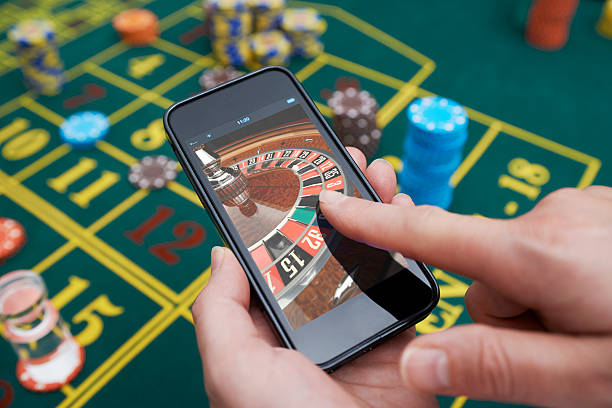
Moreover, the environment of casinos and betting establishments enhances this psychological effect. Bright lights, engaging sounds, and the buzz of excitement create an atmosphere that reinforces the desire to gamble. Many individuals find themselves caught up in this energy, leading to impulsive decisions that prioritize immediate gratification over long-term consequences.
Cognitive biases in gambling
Cognitive biases play a significant role in how individuals perceive their chances of winning. Many gamblers fall prey to the illusion of control, believing they can influence outcomes in games of chance. This belief often leads players to develop strategies that are not based on statistical realities but rather on personal experiences or superstitions. Such biases can skew a gambler’s judgment, resulting in repeated betting despite previous losses.
Additionally, the concept of the “gambler’s fallacy” contributes to this mindset. Gamblers may think that past outcomes influence future events, leading them to believe a win is due after a series of losses. This flawed reasoning can perpetuate gambling behavior, as the need to chase losses can prompt further betting, creating a cycle that is difficult to escape.
The Role of Social Influences
Social factors significantly affect gambling behavior. Peer pressure, for example, can encourage individuals to engage in gambling activities, especially among younger demographics. The desire to fit in or impress friends can lead to increased betting, often without considering the potential risks involved. Social interactions can also normalize gambling behavior, making it seem more acceptable and less risky than it truly is.
Furthermore, the rise of online gambling platforms has made it easier for people to engage in betting from the comfort of their homes. This accessibility can lead to increased gambling frequency, often fueled by social media and online communities that celebrate wins and downplay losses. The communal aspect of gambling can create a sense of belonging, which can be appealing but also dangerous, particularly for those susceptible to addiction.
Understanding Addiction and Compulsive Behavior
The psychological underpinnings of gambling addiction are complex and multifaceted. For many individuals, gambling can start as a recreational activity but escalate into a compulsive behavior that disrupts personal and financial stability. Understanding the triggers for this behavior, such as stress, boredom, or emotional distress, is essential for addressing the issue effectively.
Treatment for gambling addiction often involves therapy, support groups, and sometimes medication to help manage underlying psychological issues. By recognizing the signs of addiction and seeking help, individuals can reclaim control over their gambling habits. It is vital for friends and family to be supportive in this journey, as overcoming addiction can be a challenging but necessary process.

Exploring Resources for Gambling Awareness
As awareness of gambling-related issues grows, numerous resources and support systems have emerged to assist those affected. Organizations dedicated to educating the public about the risks associated with gambling work tirelessly to provide valuable information. These entities often focus on promoting responsible gambling practices and offering support for individuals struggling with addiction.
Additionally, websites like northernstars.ca offer insights and guidance for those seeking to understand the psychological aspects of gambling. Though currently inaccessible, such resources are pivotal in fostering a healthier dialogue around gambling, helping individuals make informed decisions about their betting behavior. Engaging with these resources can be a crucial first step toward creating a balanced and mindful approach to gambling.